








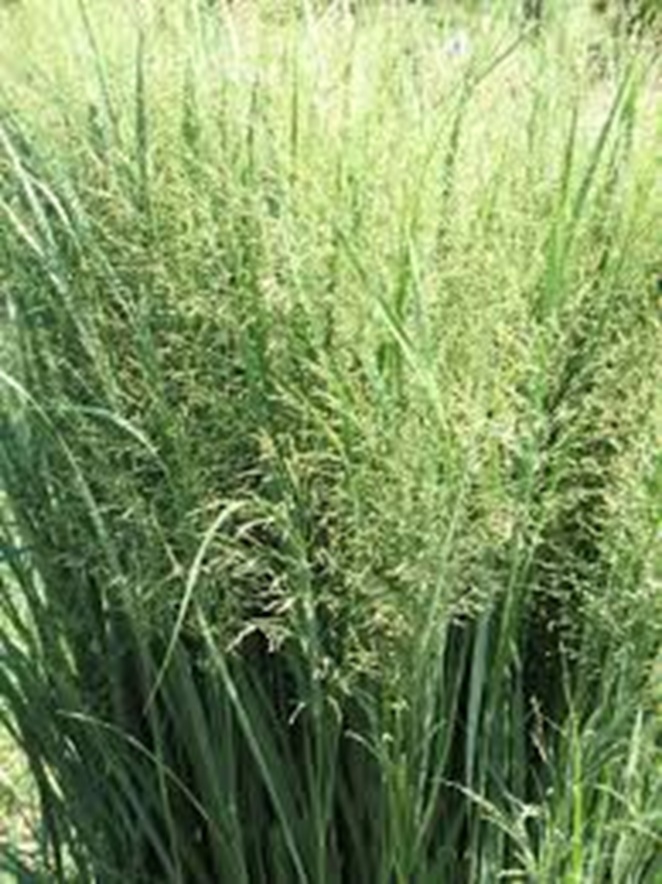
BLACKWELL SWITCHGRASS
Summary
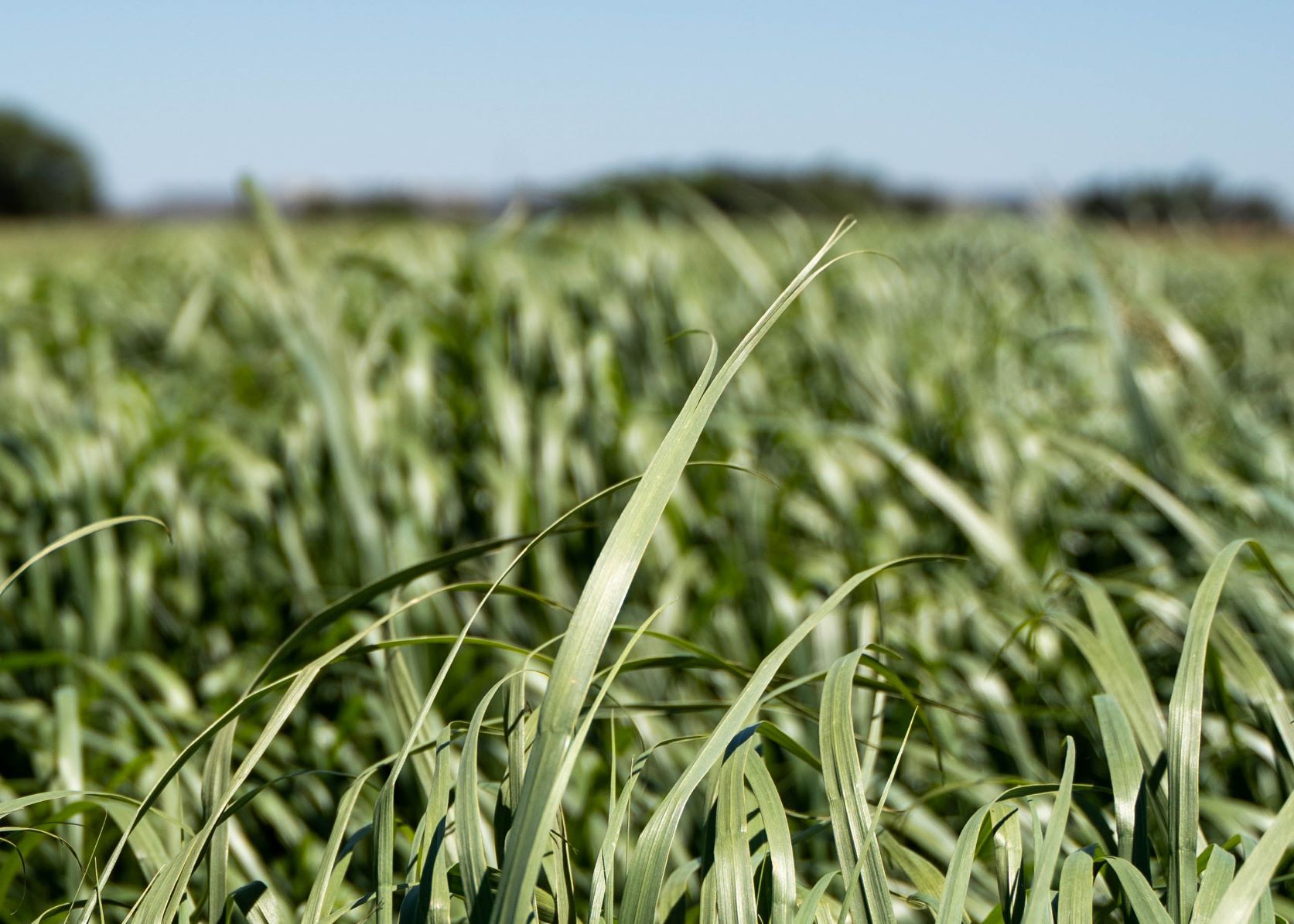
Blackwell Switchgrass is an upland, bunch-type perennial warm season native grass that is widely used especially across the Great Plains and Midwest.
Key Characteristics:
Height- 4 to 6 feet
Root System- Deep (6 – 10 feet)
Drought Tolerance- Very good once established
Cold Tolerance- Excellent (survives harsh winters)
Soil Adaptation- Performs well on poor, shallow, or eroded soils
Reproduction – Seed and Rhizomes
Primary Uses:
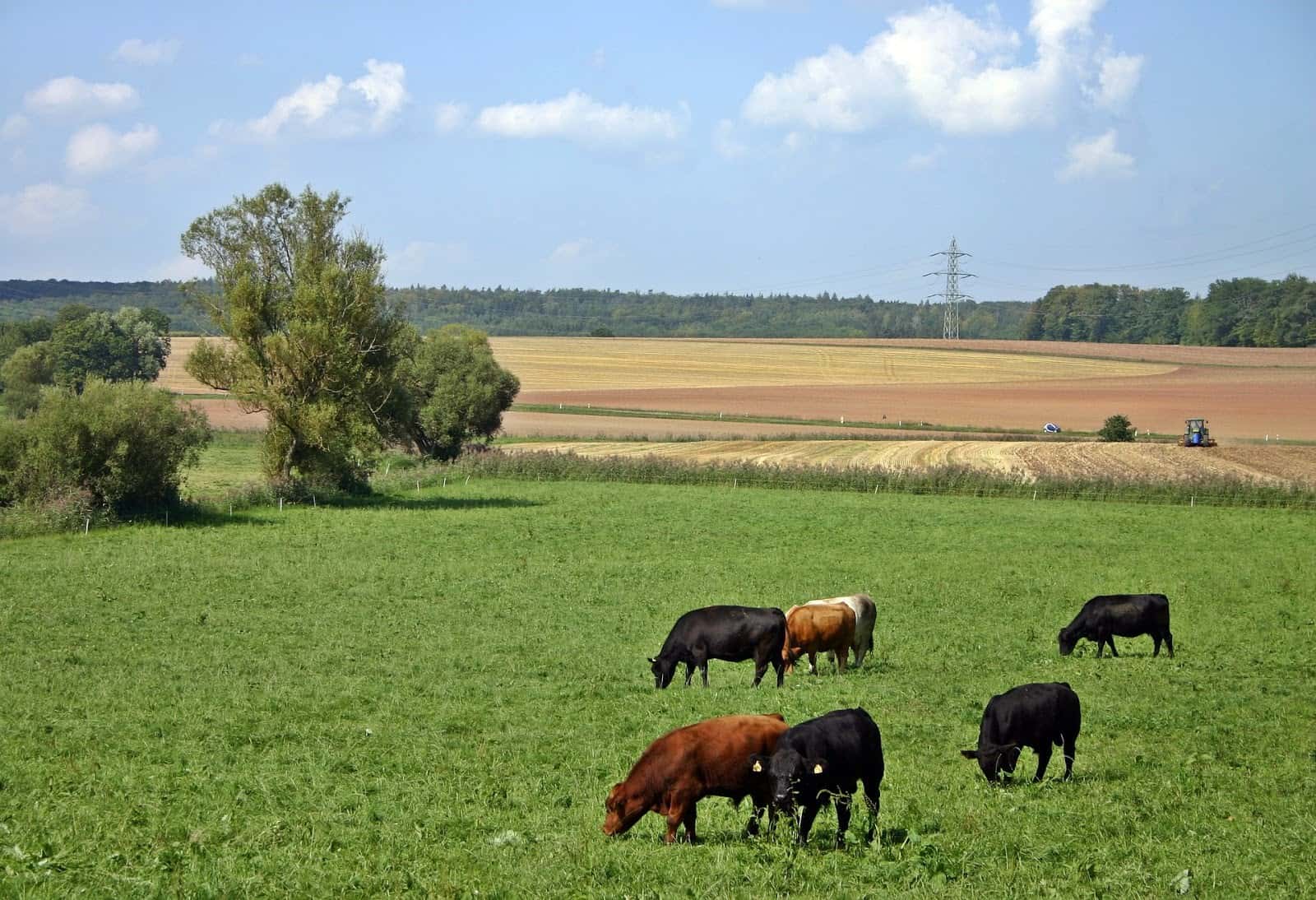
Forage and Grazing- Best grazed when 18-24 inches tall in a rotational grazing system
Wildlife Habitat- Excellent nesting cover for quail, pheasants, and turkey. Provides thermal cover and bedding for deer.
Conservation/Soil Health- Erosion control, Water infiltration, Building Soil Organic Matter
Plant Characteristics
Taxonomy
Zone
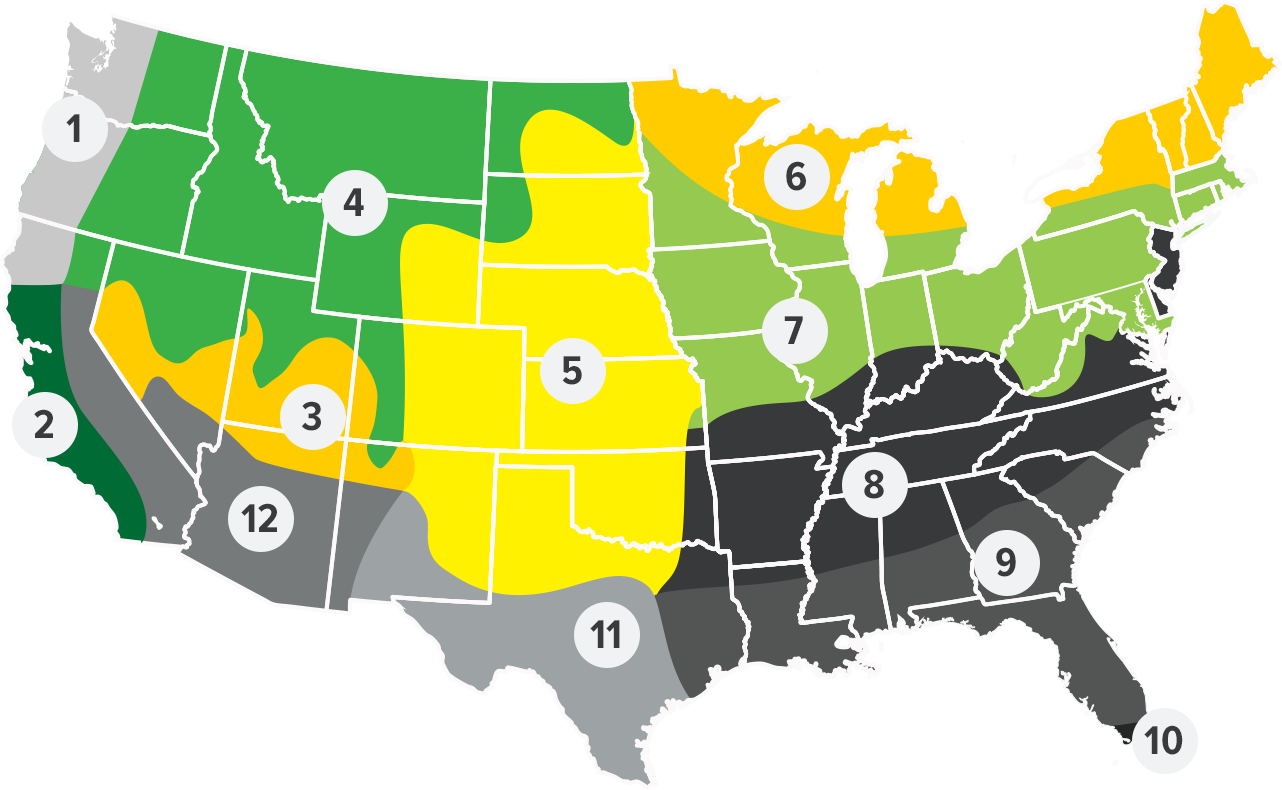
- Regional Growing Zone
- 3 - Southern Mountain, 4 - Mountain, 5 - Midwest, 6 - Northeast Lakes, 7 - Great Lakes South, 8 - Appalacia, 9 - Southeast
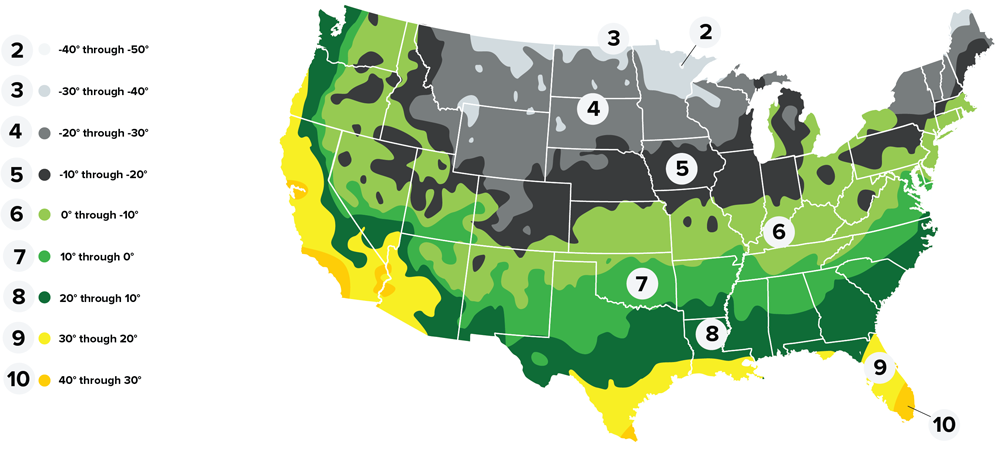
- USDA Plant Hardiness Zones
- 2, 3, 4, 5, 6, 7, 8, 9, 10
- Temperature Zone
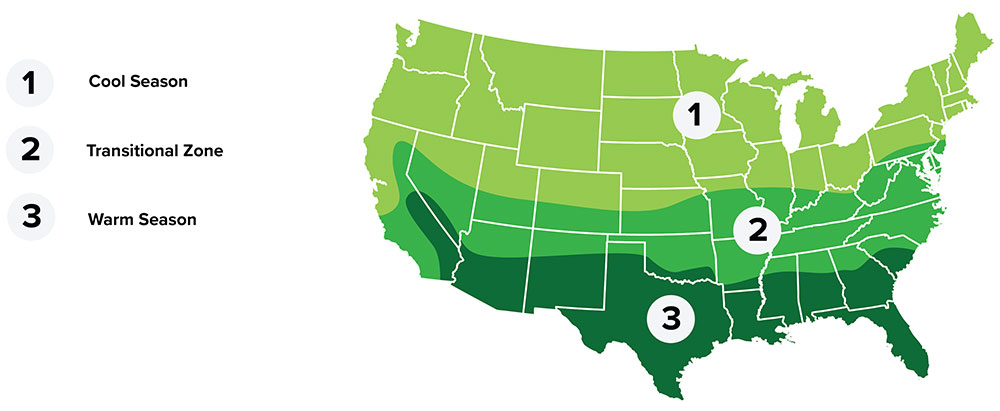
- Warm, Cool, Transitional
Plant Characteristics
- Height
- 36" - 120"
- Bloom Period
- Mid-Summer - Late-Summer
- Bloom Color
- Yellow
- Leaf Color
- Green
- Growing Cycle
- Perennial
- Sun Requirement
- Full Sun
Plant Information
- Planting Season
- Spring - Fall
- Plant Depth
- 0.25"
- Minimum Soil Temp for Germination
- 60° F
- Establishment
- Easy
Seed Information
- Seeds Per Pound
- 400,000
- Kingdom
- PLANTAE
- Subkingdom
- TRACHEOBIONTA
- Super Division
- SPERMATOPHYTA
- Division
- MAGNOLIOPHYTA
- Class
- LILIOPSIDA
- Subclass
- COMMELINIDAE
- Order
- CYPERALES
- Family
- POACEAE
- Genus
- PANICUM
- Species
- PANICUM VIRGATUM
Coverage Area & Available Sizes
Applications
Switchgrass has been long used for many conservation applications including but not limited to; buffer strips, Conservation Reserve Program, and stream bank erosion.
Switchgrass provides a suitable forage for hay and grazing if harvested prior to seedhead formation. Forage quality diminishes rapidly when the reproductive stage is initiated in mid to late summer.
Switchgrass is also used in landscape plantings. It is typically used as perimeter screens and accent plants. Switchgrass can be moderately invasive in some applications.
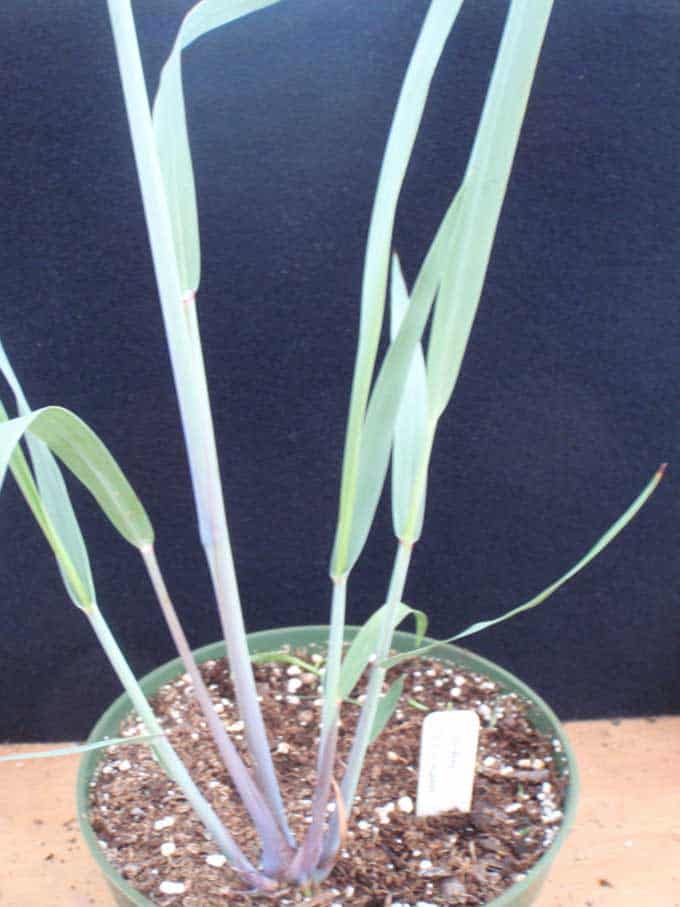
DSC01693
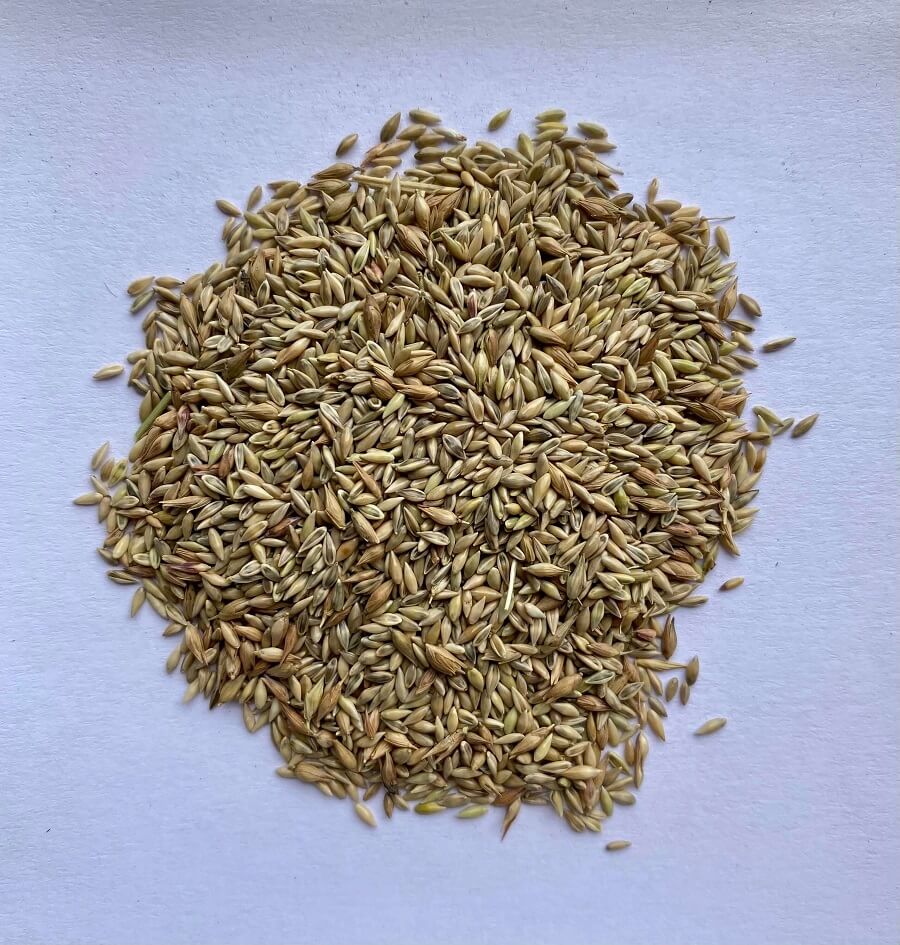
BlackwellSwitchgrassSeed
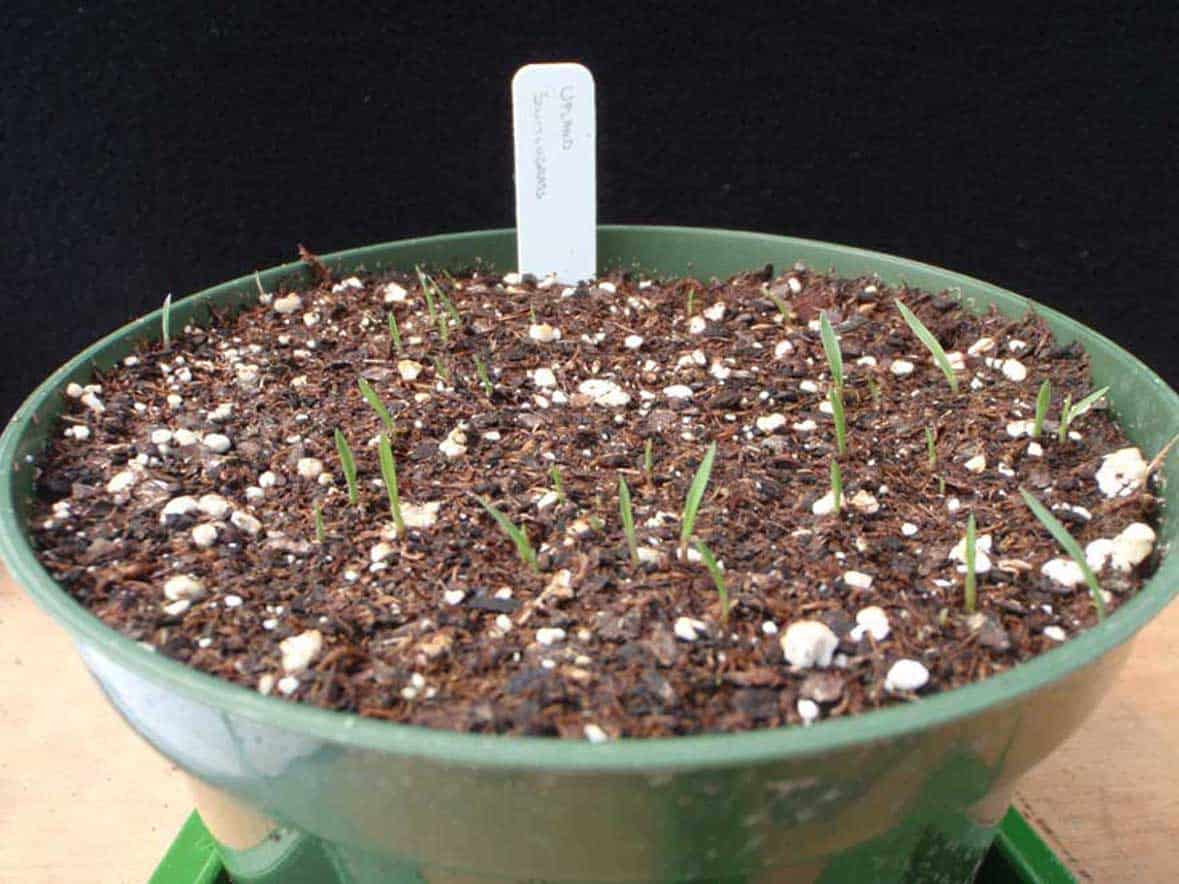
SWITCHGRASS 8 DAYS AFTER PLANTING
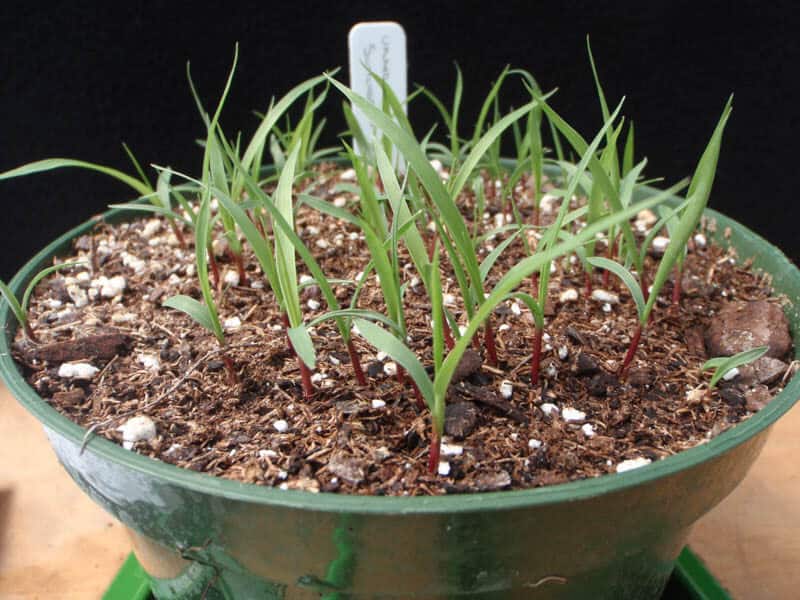
SWITCHGRASS 18 DAYS AFTER PLANTING
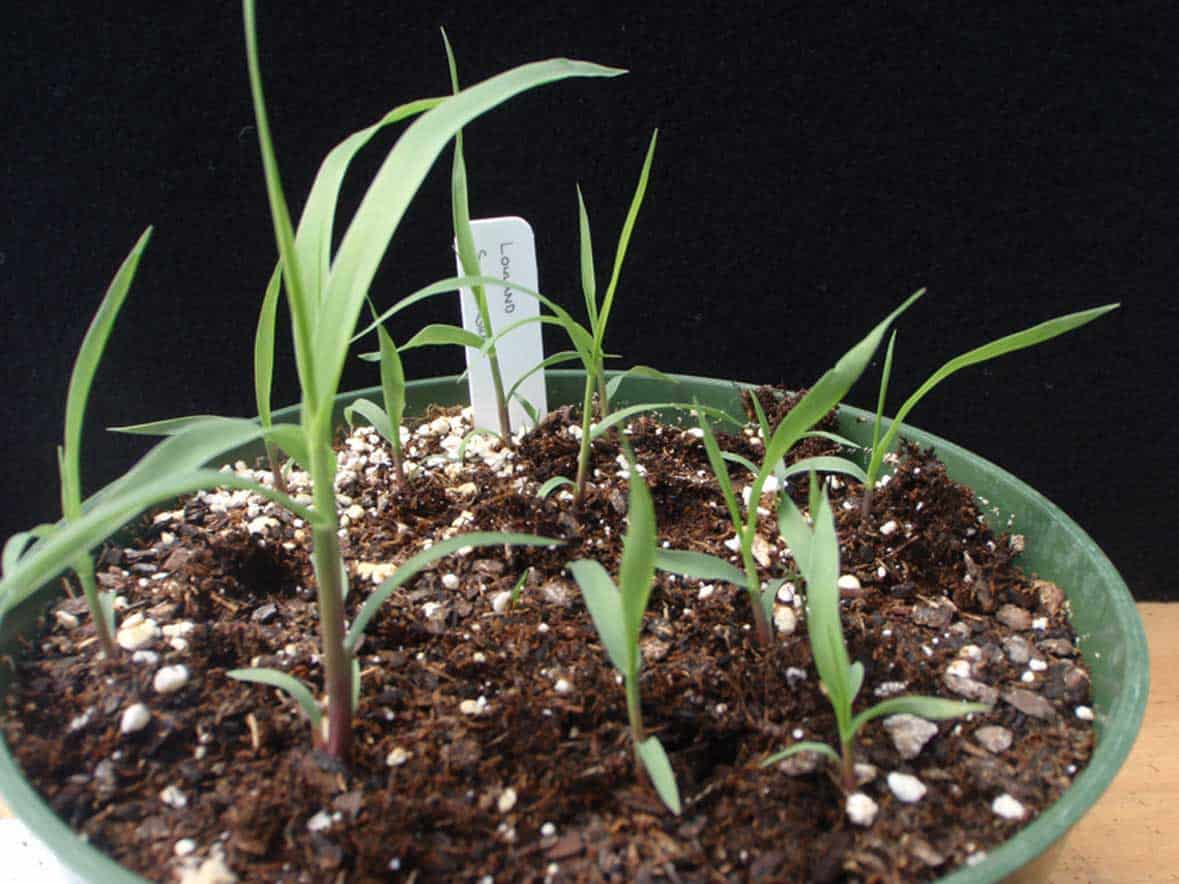
SWITCHGRASS 28 DAYS AFTER PLANTING
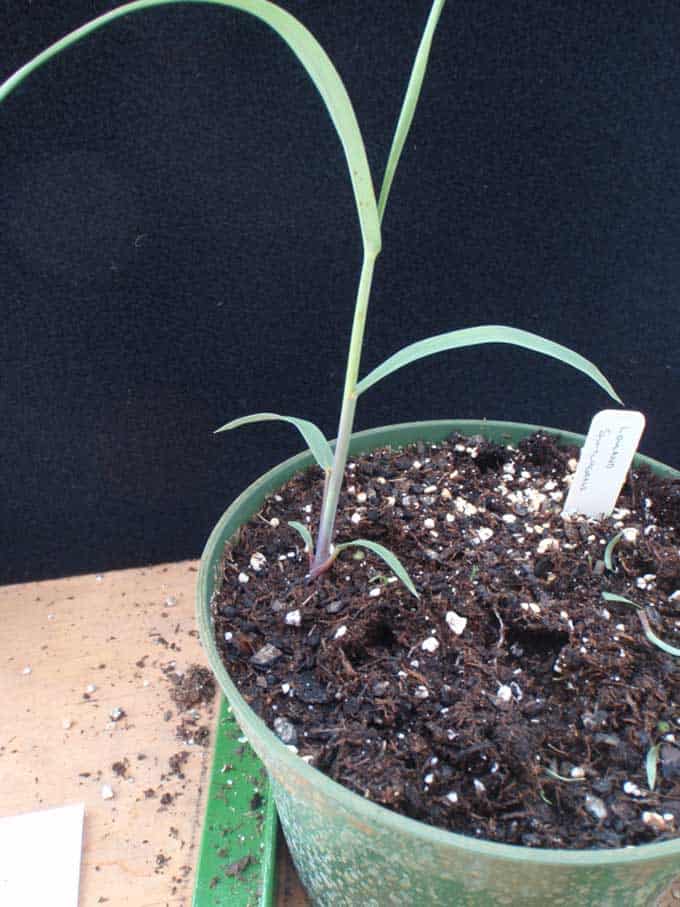
SWITCHGRASS 34 DAYS AFTER PLANTING